Is Vespa a Status Symbol in Nepal?
2026 March 16
In Nepal, riding a Vespa may be more than just getting around, it might be a statement. This blog explores whether Vespa is simply a scooter or a symbol of style and status in modern Nepali life.
As you stroll through the streets of Nepal, particularly major cities like Kathmandu, Bhaktapur, Lalitpur, Dharan, Pokhara, etc., you’ll observe something noteworthy. Amid the multitude of scooters and motorcycles navigating the roads, one specific scooter frequently catches the eye: The Vespa. Thanks to its graceful lines, distinctive sound, and recognizable design, the Vespa tends to draw attention wherever it travels. However, for many individuals in Nepal, owning a Vespa signifies more than mere transportation. This raises a compelling question: Is Vespa a status symbol in Nepal? To grasp this concept, we must delve deeper than the scooter itself and examine the narrative, heritage, and lifestyle that accompany Vespa ownership.
The Global Legacy of Vespa.
Vespa is more than just a scooter brand; it has a rich history and widespread recognition that spans decades. The brand's journey started in Italy in 1946 with the launch of a scooter that was intended to be fashionable, functional, and within reach for many, particularly in the post-World War II era. The scooter gained immense popularity throughout Europe and eventually across the globe. Throughout the years, Vespa evolved into something beyond a mode of transportation; it became a symbol of culture. Featured in Hollywood films and fashion advertisements, Vespa has been linked with style, liberation, and the urban lifestyle for a long time. This deep-rooted global heritage significantly influences the way Vespa is viewed in various nations, including Nepal.
Why is Vespa often seen as a premium scooter?
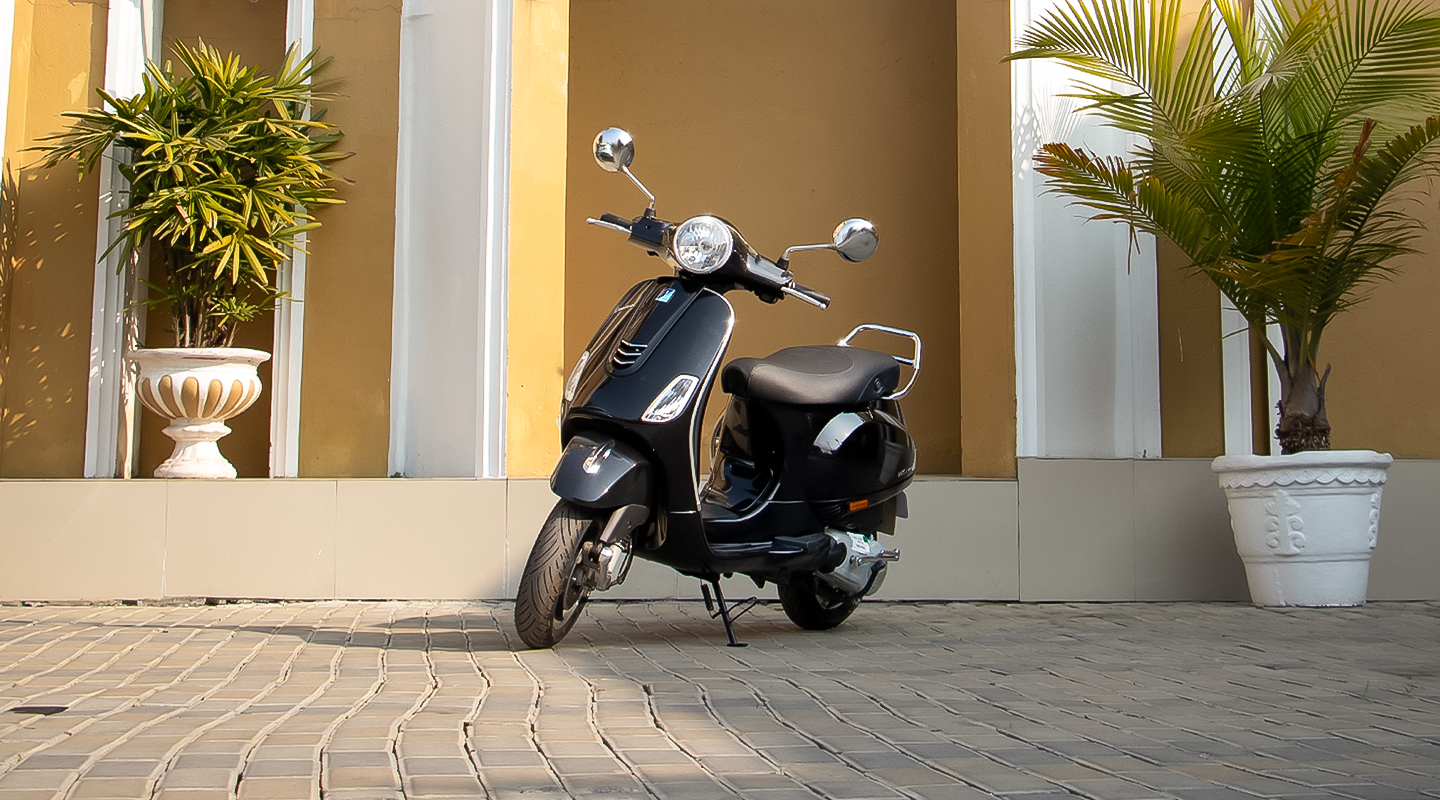
Vespa’s reputation for status also stems from its premium image. With their iconic steel frames, graceful curves, and meticulous design, Vespa scooters stand out wherever they go. Unlike many scooters built just for utility, Vespa celebrates its design heritage and craftsmanship, setting it apart in Nepal’s scooter scene. For many, owning a Vespa is more than a way to get around; it is a statement of style and personality.
Another key part of Vespa’s image is the lifestyle it represents. The brand has long been linked to fashion, culture, and city living worldwide. In Nepal, Vespa riders are often seen as people who value design and individuality. Many choose Vespa because they want a scooter that feels unique and lets them express themselves. This connection gives owners a strong emotional bond with the brand, making Vespa feel more special than a regular scooter. Because of this, Vespa often holds a certain prestige among riders.
Is Vespa really a status symbol in Nepal?
Whether Vespa is seen as a status symbol in Nepal really depends on how people view status. For some, a scooter is just a practical way to get around. For others, it’s also a way to express personal style and identity. Vespa stands out because it blends heritage, design, and lifestyle in a way few scooters do. That’s why many in Nepal see Vespa as more than just transportation. It represents individuality and timeless design. Though opinions vary, Vespa still holds a special place on Nepali roads,not just as a scooter but as a symbol of style and personality.
Nepal’s scooter market is diverse and continues to grow every year. Riders today have many options to choose from, depending on their needs and preferences. Yet Vespa continues to hold a special place among scooter enthusiasts. Its Italian heritage, iconic design, and lifestyle appeal make it different from typical commuter scooters. For many riders, owning a Vespa is not just about transportation; it’s about enjoying a unique riding experience. So is Vespa a status symbol in Nepal?
For many Vespa riders, the answer is yes, not simply because of its price, but because of the identity, design, and lifestyle that come with it.


